Localized crack and edge work
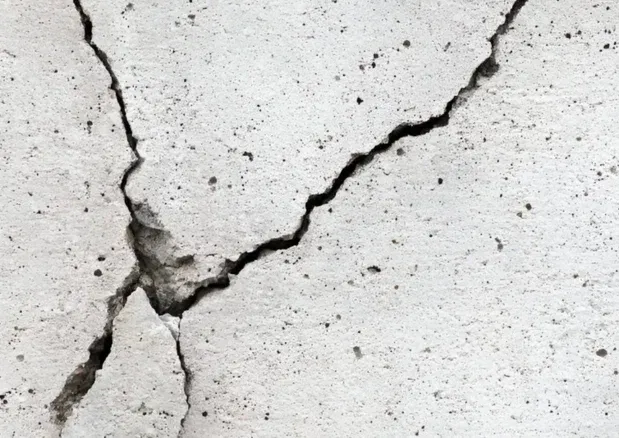
Assess isolated damage and select a compatible repair. A patch may remain visible against older concrete.
 WEST PALMCONCRETE SOLUTIONS(321) 111-1111
A worn finish, a broken corner and a panel that has dropped out of level are different problems. West Palm Concrete Solutions helps assess damaged concrete and compare localized repair, resurfacing or replacement based on what the slab needs.
Rainwater and irrigation can expose drainage problems around West Palm Beach concrete. Where soil has washed away or fill has settled, a new finish alone will not solve the issue. The assessment should look at movement, support and surface condition before a repair system is selected.
Assess isolated damage and select a compatible repair. A patch may remain visible against older concrete.
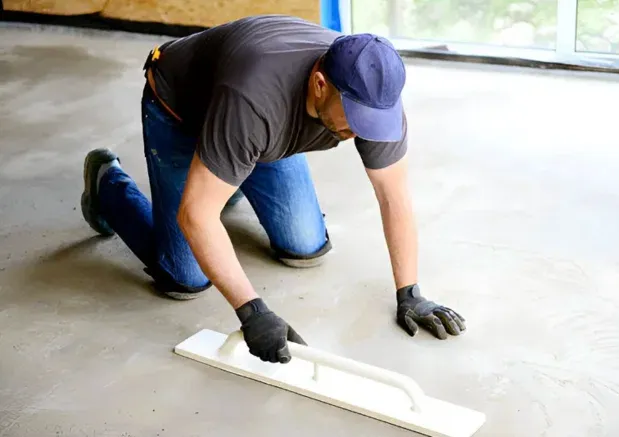
An overlay can refresh a sound surface after suitable preparation. Existing movement and product compatibility must be checked first.
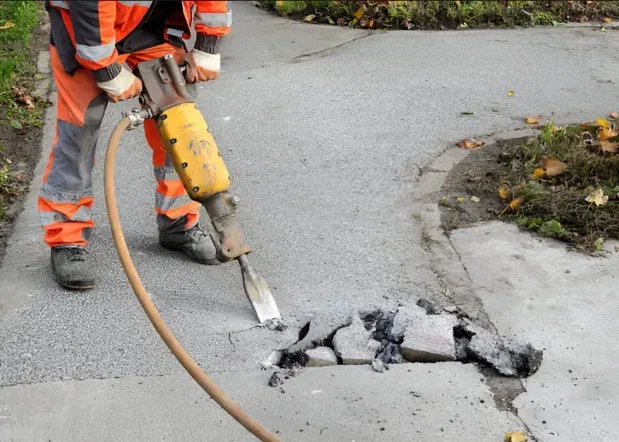
Remove sections that cannot be suitably repaired and address the preparation beneath the new concrete.
Standing water, widening cracks and changes in panel height are useful clues to share during an assessment. An active structural issue requires the appropriate professional review. Cosmetic work should follow the diagnosis rather than hide it.
Confirm the property jurisdiction and exact scope before construction. West Palm Beach limits its minor-work exemption; structural work and work in flood-hazard areas are excluded, and any applicable exemption needs city approval before work begins.
City permit scope and exemption guidance.
Local context: West Palm Beach airport climate normals and City engineering resources. The airport's 1991–2020 rainfall normal is 61.75 inches a year; actual site conditions vary.
Repair can be useful for limited damage where the surrounding concrete remains suitable. Tell the assessor if cracks are changing or panels are moving; those signs can change the appropriate remedy.
Record surface wear, crack movement, level changes and nearby water collection.
Explain what a proposed repair can correct and where its limits remain.
Remove unsuitable material, follow product requirements and agree on aftercare.
Repair cost depends on preparation, the damaged area, the selected material and access. Small areas can still require mobilization. Replacement may offer a better result when deterioration is widespread.
View the project pricing guide ↗Use the Get Free Estimate form on this page. Include the location, approximate size and the work you want to discuss. Your request identifies this service page so the next conversation can focus on your project.
It can if the concrete keeps moving. The cause and the repair's limits should be explained before work begins.
No. An overlay does not correct lost soil support or continuing settlement.
An exact match is not assured. Age, aggregate and exposure can leave visible differences between the repair and existing surface.
The work area, preparation, selected materials or finish, exclusions and return-to-use instructions should be clear. Ask who is responsible for any applicable approvals and inspections.
Tell us about your space and the work you have in mind.